In an increasingly digital and interconnected world, businesses can no longer afford to treat technology as a short-term operational tool. Instead, modern organizations must invest in Secure & Scalable Systems that not only protect their data and operations today but also support sustainable growth in the years ahead. For small and medium-sized enterprises (SMEs) especially, the right system architecture can become a powerful driver of competitiveness, resilience, and innovation.
This article explores why security and scalability are critical for long-term business growth, and how companies can design systems that evolve alongside their ambitions.
Why Secure & Scalable Systems Matter More Than Ever
The Rising Complexity of Digital Business
Businesses today rely on digital systems for nearly every core function—from customer management and supply chains to financial reporting and data analytics. As organizations grow, these systems must handle increasing volumes of data, users, and transactions without compromising performance or security.
Without a solid foundation, growth can actually become a risk. Systems that are not designed to scale often lead to downtime, performance bottlenecks, and costly rework. Similarly, weak security exposes businesses to data breaches, regulatory penalties, and reputational damage.
Security and Scalability Are Not Separate Concerns
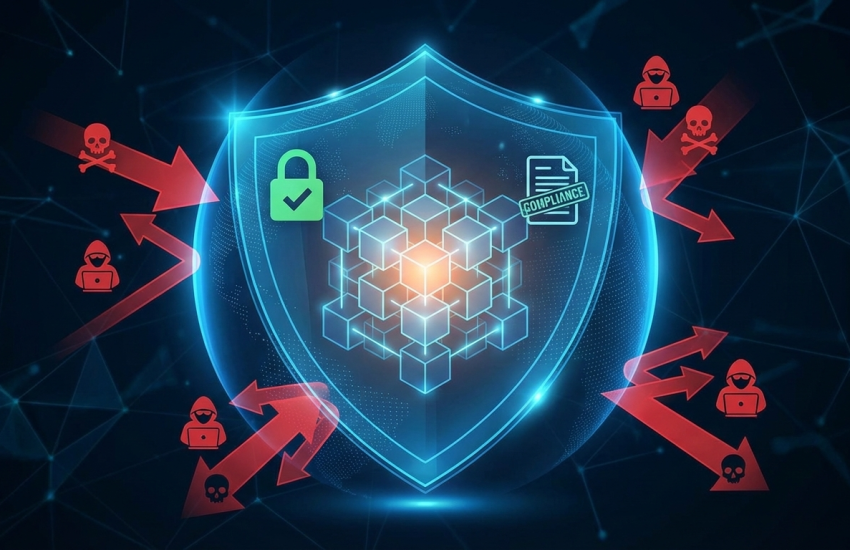
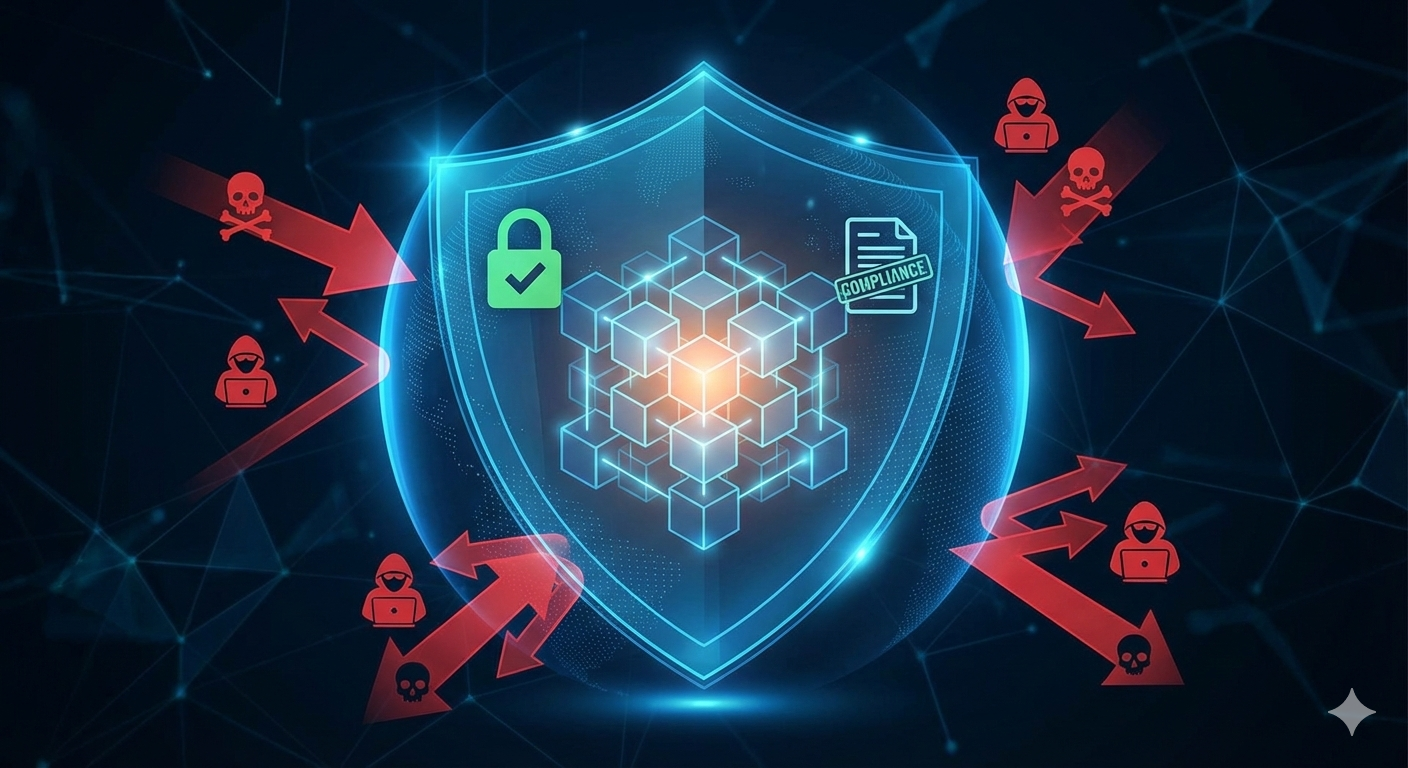
A common misconception is that security and scalability are independent objectives. In reality, they are deeply interconnected. Poorly secured systems become more vulnerable as they scale, while systems that scale without proper governance can introduce new attack surfaces.
That is why forward-thinking technology providers like AMADEUS TECHNOLOGY B.V. emphasize building Secure & Scalable Systems from the very beginning, rather than treating them as afterthoughts.
Key Components of Secure Systems
Robust Data Protection
At the core of any secure system is data protection. This includes encryption at rest and in transit, secure authentication mechanisms, and strict access controls based on user roles.
Businesses must ensure that sensitive data—such as customer information, financial records, and intellectual property—is protected against both external threats and internal misuse.
Strong data protection is not only a technical requirement but also a core operational responsibility for modern organizations. This perspective is explored further in Why Data Protection Is a Critical Part of Enterprise Operations
Compliance and Risk Management
Many industries are subject to regulations related to data privacy and security, such as GDPR or industry-specific compliance standards. Secure systems help organizations meet these requirements while reducing legal and financial risks.
A proactive security strategy also includes regular audits, vulnerability assessments, and incident response planning to minimize the impact of potential breaches.
Designing for Scalability from Day One
What Does Scalability Really Mean?
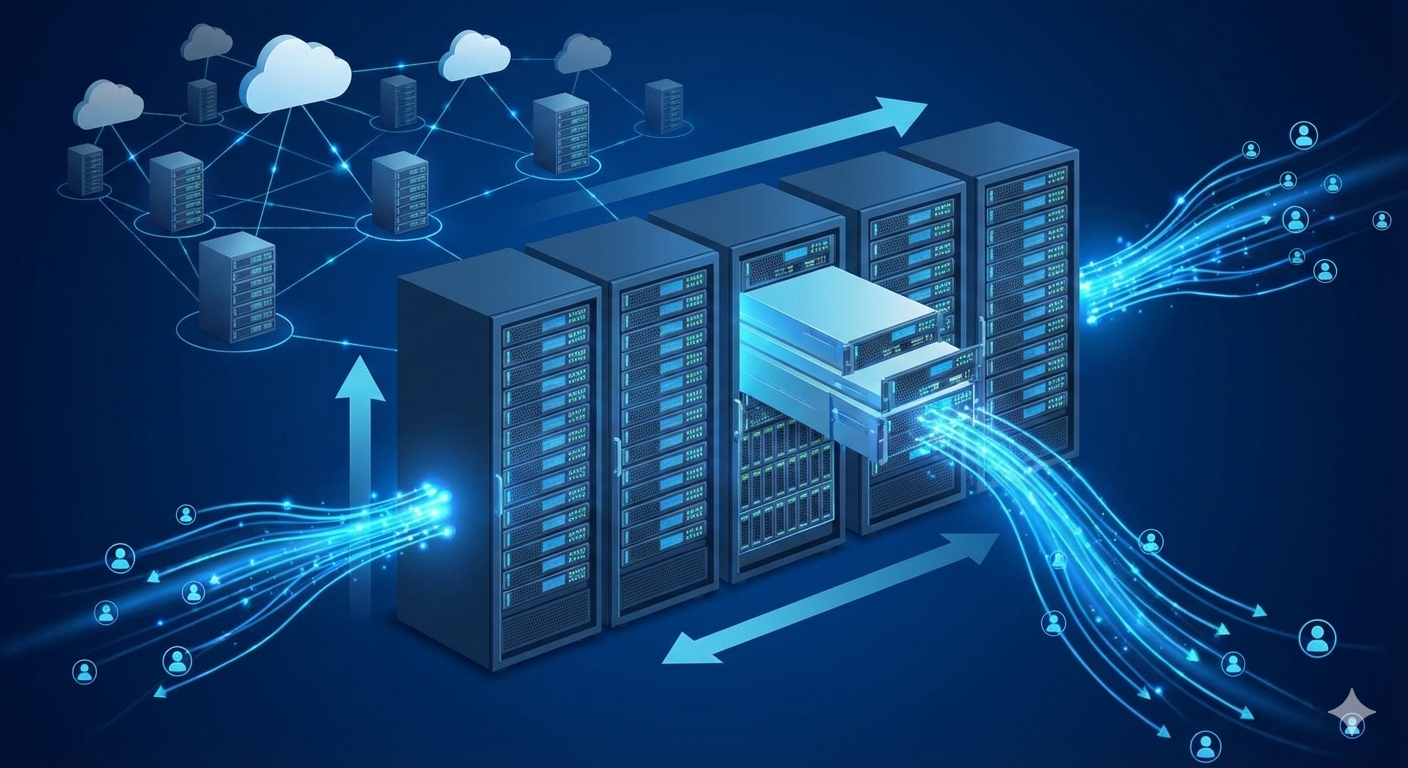
Scalability is not just about handling more users. It means a system can grow in complexity, functionality, and workload without requiring a complete redesign.
There are two main types of scalability:
- Vertical scalability: Increasing system capacity by upgrading existing resources
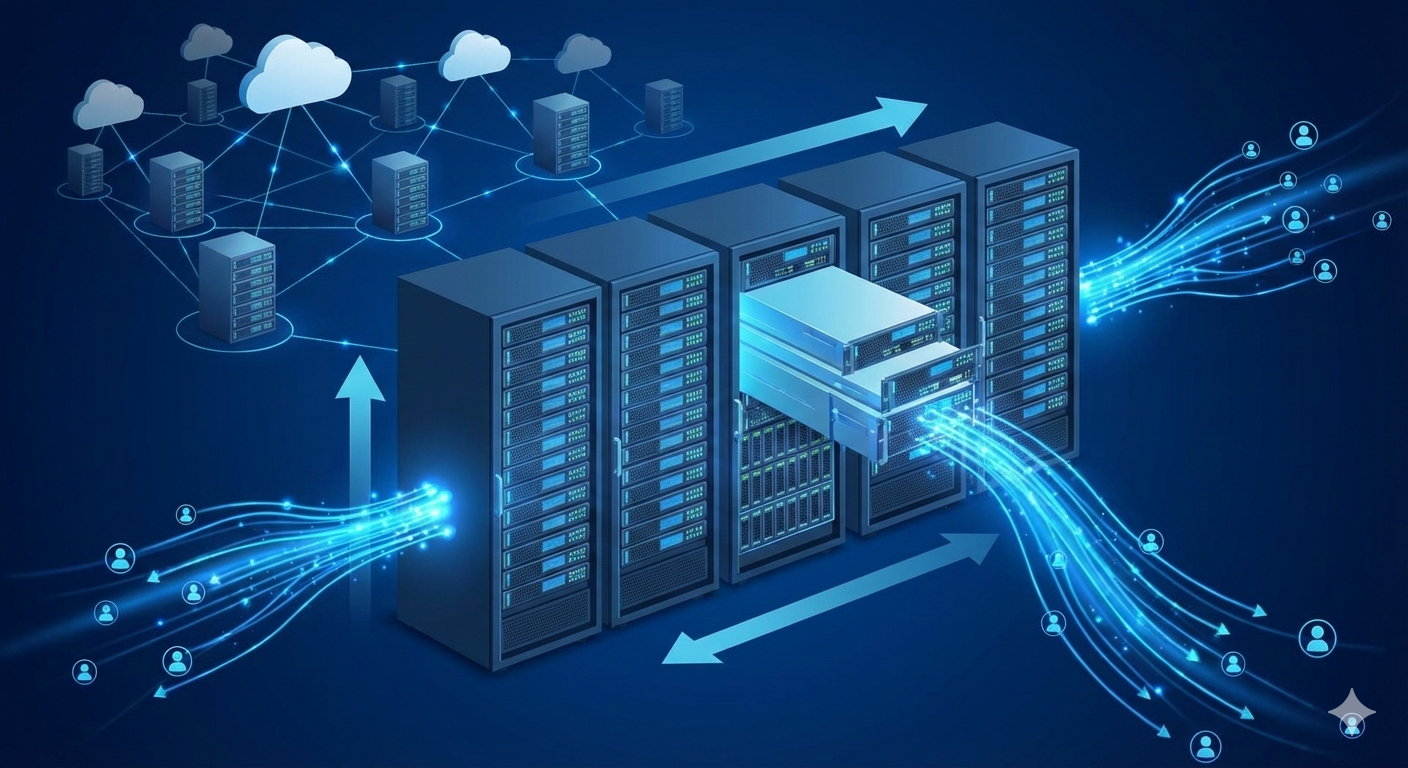
- Horizontal scalability: Expanding capacity by adding new components or services
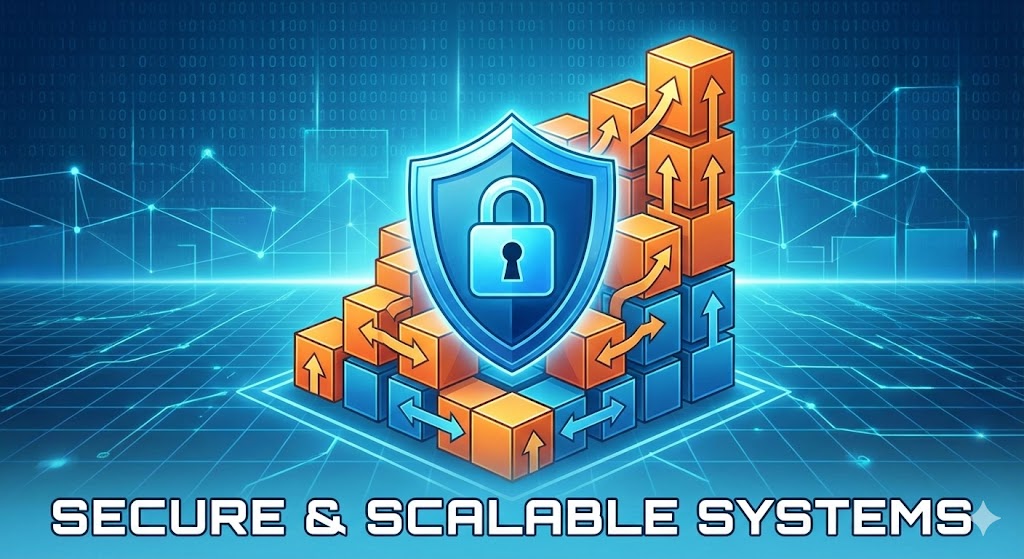
Modern Secure & Scalable Systems typically favor modular, service-oriented architectures that support horizontal scaling.
Flexible Architecture and Modular Design
A scalable system is built using modular components that can be developed, deployed, and updated independently. This approach allows businesses to:
- Add new features without disrupting existing ones
- Integrate third-party services easily
- Respond faster to changing market demands
This architectural flexibility is a cornerstone of long-term digital success and a principle frequently applied by AMADEUS TECHNOLOGY B.V. when designing enterprise-grade solutions.
The Business Benefits of Secure & Scalable Systems
Supporting Sustainable Growth
As a business grows, operational demands increase. Secure & Scalable Systems ensure that growth does not come at the cost of performance or reliability. Employees can work efficiently, customers enjoy consistent service, and leadership gains better visibility into operations.
Reducing Long-Term Costs
While investing in robust systems may require higher upfront costs, it significantly reduces long-term expenses. Businesses avoid repeated system migrations, emergency fixes, and security incidents that can be far more expensive than proactive planning.
Enabling Innovation and Competitive Advantage
When systems are stable, secure, and scalable, businesses are free to innovate. New digital products, services, and business models can be tested and launched faster, giving companies a competitive edge in their markets.
Common Mistakes to Avoid
Prioritizing Speed Over Structure
Many organizations rush to deploy systems to meet immediate needs, sacrificing architectural quality. While this may work in the short term, it often leads to technical debt that slows growth later.
Treating Security as an Add-On
Adding security controls after a system is already live is risky and inefficient. Security must be embedded into the system design, development process, and daily operations.
How to Build Secure & Scalable Systems Successfully
Start with a Clear Long-Term Vision
Businesses should define not only their current requirements but also where they expect to be in three to five years. This foresight helps guide architectural decisions that support future growth.
Building Secure & Scalable Systems is closely linked to how technology is embedded into management practices. Many SMEs adopt structured frameworks to ensure systems evolve in line with business goals, as outlined in Technology-Based Management Models: A Practical Overview for SMEs
Work with the Right Technology Partner
Building Secure & Scalable Systems requires expertise in architecture, security, and business strategy. Experienced partners like AMADEUS TECHNOLOGY B.V. help organizations translate business goals into resilient technical solutions that grow alongside the company.
Continuously Improve and Adapt
Scalability and security are ongoing processes. Regular system reviews, performance monitoring, and security updates ensure that systems remain aligned with evolving business and threat landscapes.
Secure & Scalable Systems as a Foundation for Long-Term Growth
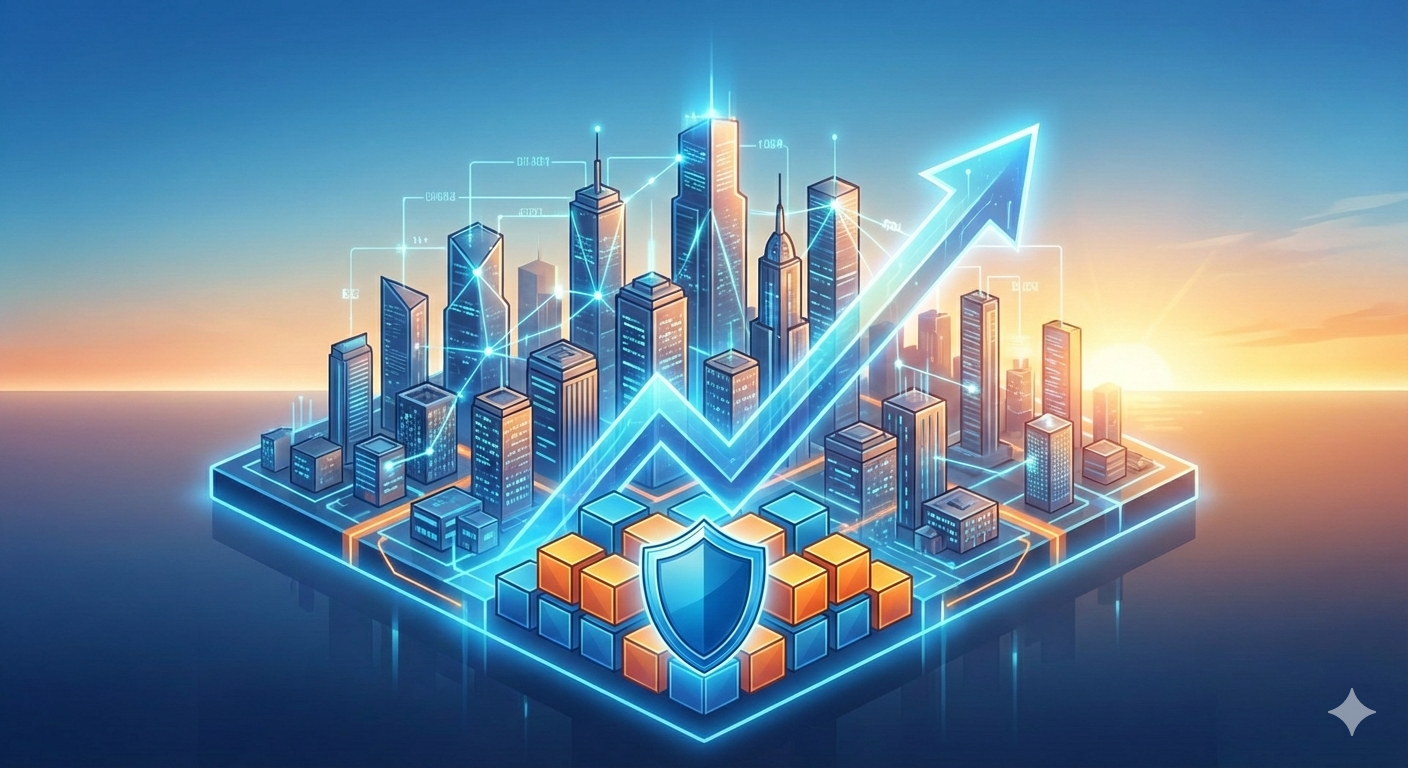
In a digital-first economy, technology is no longer just a support function—it is a core business asset. Companies that invest early in Secure & Scalable Systems position themselves for sustainable growth, stronger customer trust, and long-term resilience.
By combining strong security practices, flexible architecture, and strategic planning, businesses can build systems that not only meet today’s needs but also empower tomorrow’s success. For organizations seeking long-term value and stability, Secure & Scalable Systems are not optional—they are essential.
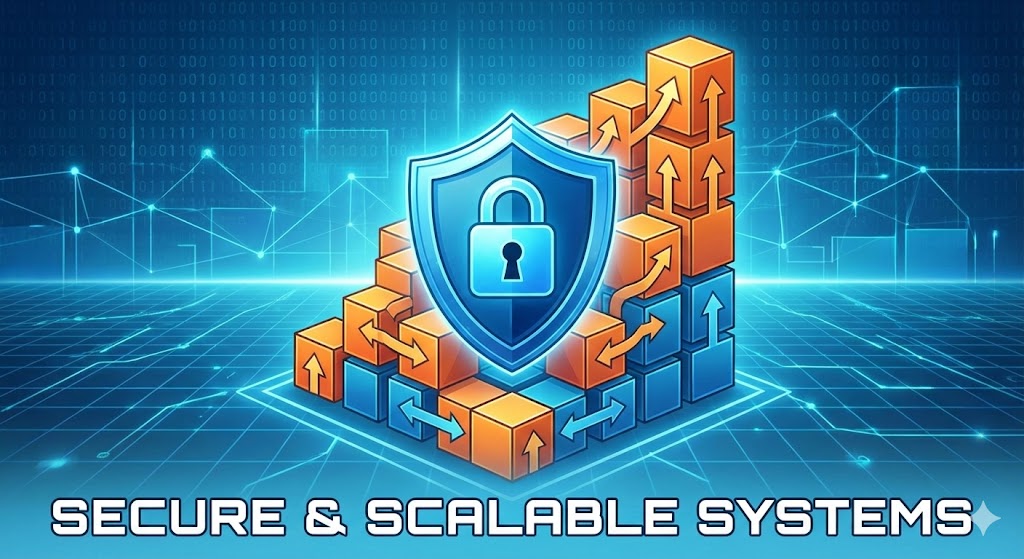
In an increasingly digital and interconnected world, businesses can no longer afford to treat technology as a short-term operational tool. Instead, modern organizations must invest in Secure & Scalable Systems that not only protect their data and operations today but also support sustainable growth in the years ahead. For small and medium-sized enterprises (SMEs) especially, the right system architecture can become a powerful driver of competitiveness, resilience, and innovation.
This article explores why security and scalability are critical for long-term business growth, and how companies can design systems that evolve alongside their ambitions.
Why Secure & Scalable Systems Matter More Than Ever
The Rising Complexity of Digital Business
Businesses today rely on digital systems for nearly every core function—from customer management and supply chains to financial reporting and data analytics. As organizations grow, these systems must handle increasing volumes of data, users, and transactions without compromising performance or security.
Without a solid foundation, growth can actually become a risk. Systems that are not designed to scale often lead to downtime, performance bottlenecks, and costly rework. Similarly, weak security exposes businesses to data breaches, regulatory penalties, and reputational damage.
Security and Scalability Are Not Separate Concerns
A common misconception is that security and scalability are independent objectives. In reality, they are deeply interconnected. Poorly secured systems become more vulnerable as they scale, while systems that scale without proper governance can introduce new attack surfaces.
That is why forward-thinking technology providers like AMADEUS TECHNOLOGY B.V. emphasize building Secure & Scalable Systems from the very beginning, rather than treating them as afterthoughts.
Key Components of Secure Systems
Robust Data Protection
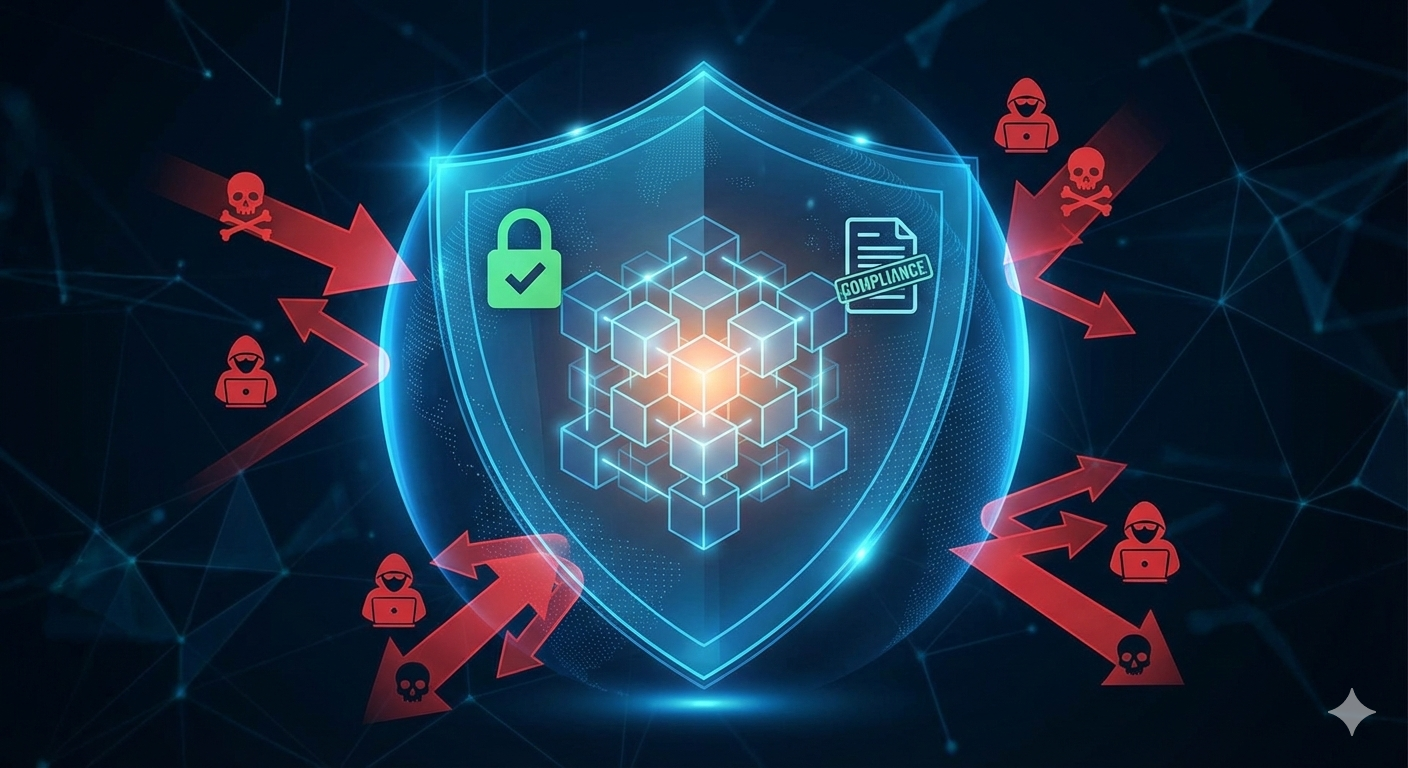
At the core of any secure system is data protection. This includes encryption at rest and in transit, secure authentication mechanisms, and strict access controls based on user roles.
Businesses must ensure that sensitive data—such as customer information, financial records, and intellectual property—is protected against both external threats and internal misuse.
Strong data protection is not only a technical requirement but also a core operational responsibility for modern organizations. This perspective is explored further in Why Data Protection Is a Critical Part of Enterprise Operations
Compliance and Risk Management
Many industries are subject to regulations related to data privacy and security, such as GDPR or industry-specific compliance standards. Secure systems help organizations meet these requirements while reducing legal and financial risks.
A proactive security strategy also includes regular audits, vulnerability assessments, and incident response planning to minimize the impact of potential breaches.
Designing for Scalability from Day One
What Does Scalability Really Mean?
Scalability is not just about handling more users. It means a system can grow in complexity, functionality, and workload without requiring a complete redesign.
There are two main types of scalability:
- Vertical scalability: Increasing system capacity by upgrading existing resources
- Horizontal scalability: Expanding capacity by adding new components or services
Modern Secure & Scalable Systems typically favor modular, service-oriented architectures that support horizontal scaling.
Flexible Architecture and Modular Design
A scalable system is built using modular components that can be developed, deployed, and updated independently. This approach allows businesses to:
- Add new features without disrupting existing ones
- Integrate third-party services easily
- Respond faster to changing market demands
This architectural flexibility is a cornerstone of long-term digital success and a principle frequently applied by AMADEUS TECHNOLOGY B.V. when designing enterprise-grade solutions.
The Business Benefits of Secure & Scalable Systems
Supporting Sustainable Growth
As a business grows, operational demands increase. Secure & Scalable Systems ensure that growth does not come at the cost of performance or reliability. Employees can work efficiently, customers enjoy consistent service, and leadership gains better visibility into operations.
Reducing Long-Term Costs
While investing in robust systems may require higher upfront costs, it significantly reduces long-term expenses. Businesses avoid repeated system migrations, emergency fixes, and security incidents that can be far more expensive than proactive planning.
Enabling Innovation and Competitive Advantage
When systems are stable, secure, and scalable, businesses are free to innovate. New digital products, services, and business models can be tested and launched faster, giving companies a competitive edge in their markets.
Common Mistakes to Avoid
Prioritizing Speed Over Structure
Many organizations rush to deploy systems to meet immediate needs, sacrificing architectural quality. While this may work in the short term, it often leads to technical debt that slows growth later.
Treating Security as an Add-On
Adding security controls after a system is already live is risky and inefficient. Security must be embedded into the system design, development process, and daily operations.
How to Build Secure & Scalable Systems Successfully
Start with a Clear Long-Term Vision
Businesses should define not only their current requirements but also where they expect to be in three to five years. This foresight helps guide architectural decisions that support future growth.
Building Secure & Scalable Systems is closely linked to how technology is embedded into management practices. Many SMEs adopt structured frameworks to ensure systems evolve in line with business goals, as outlined in Technology-Based Management Models: A Practical Overview for SMEs
Work with the Right Technology Partner
Building Secure & Scalable Systems requires expertise in architecture, security, and business strategy. Experienced partners like AMADEUS TECHNOLOGY B.V. help organizations translate business goals into resilient technical solutions that grow alongside the company.
Continuously Improve and Adapt
Scalability and security are ongoing processes. Regular system reviews, performance monitoring, and security updates ensure that systems remain aligned with evolving business and threat landscapes.
Secure & Scalable Systems as a Foundation for Long-Term Growth
In a digital-first economy, technology is no longer just a support function—it is a core business asset. Companies that invest early in Secure & Scalable Systems position themselves for sustainable growth, stronger customer trust, and long-term resilience.
By combining strong security practices, flexible architecture, and strategic planning, businesses can build systems that not only meet today’s needs but also empower tomorrow’s success. For organizations seeking long-term value and stability, Secure & Scalable Systems are not optional—they are essential.
