

As small and medium-sized enterprises (SMEs) operate in increasingly competitive and digital markets, traditional management approaches are no longer sufficient. Manual processes, disconnected tools, and intuition-based decision-making limit efficiency and scalability. To remain competitive, SMEs are turning to Technology-Based Management Models—structured approaches that integrate technology into core management practices.
According to experts at AMADEUS TECHNOLOGY B.V., technology-driven management is no longer a luxury reserved for large enterprises. When implemented correctly, it enables SMEs to operate with greater clarity, agility, and control while preparing for sustainable long-term growth.
What Are Technology-Based Management Models?
Definition and Core Principles
Technology-Based Management Models refer to management frameworks that rely on digital systems, data, and automation to plan, execute, monitor, and optimize business operations. These models use technology as a central enabler rather than a supporting tool.
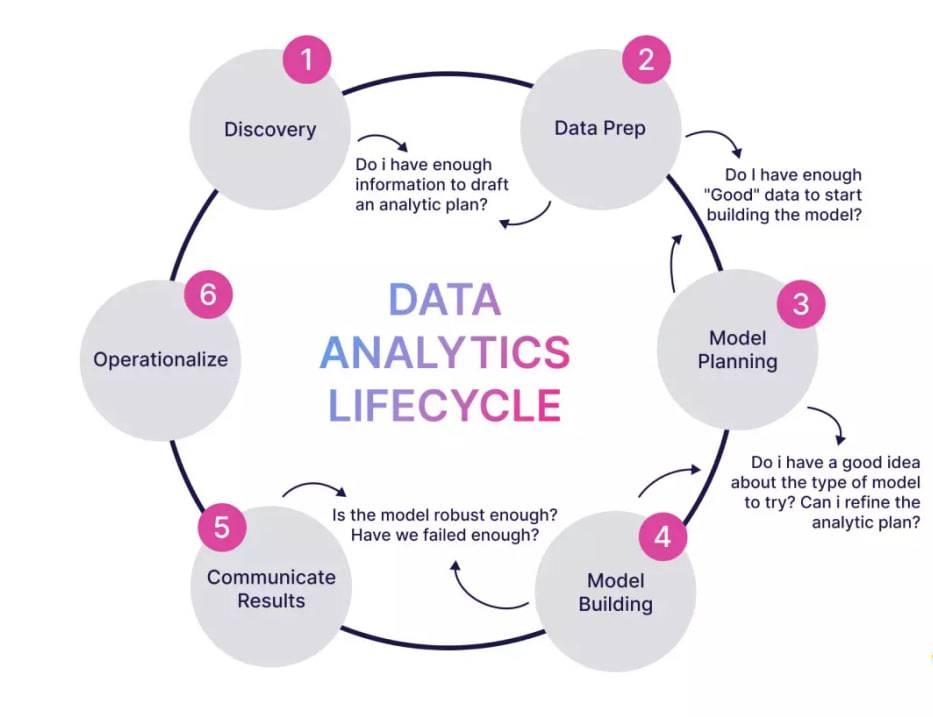
Key principles include:
- Data-driven decision making
- Process automation and standardization
- Real-time visibility and reporting
- Scalability and adaptability
Why They Matter for SMEs
SMEs often face resource constraints and rapidly changing environments. Technology-Based Management Models help overcome these challenges by maximizing efficiency and reducing dependency on manual oversight.
Key Components of Technology-Based Management Models
Digital Process Management
At the core of these models is the digitization of business processes. Workflow management systems, task automation tools, and process mapping software replace manual coordination.
Benefits include:
- Reduced operational errors
- Faster execution
- Improved accountability
Data and Performance Management
Technology-based models rely heavily on data to guide decisions. Dashboards, analytics platforms, and reporting tools provide real-time insights into performance.
This enables SMEs to:
- Track KPIs consistently
- Identify inefficiencies early
- Make informed strategic adjustments
Integrated Management Systems
Rather than using isolated tools, Technology-Based Management Models emphasize integration across functions such as finance, operations, HR, and sales. Integrated systems ensure consistent data and smoother collaboration.
This integrated approach is a key focus for SMEs supported by AMADEUS TECHNOLOGY B.V., where management systems are designed to scale alongside business growth.
Common Types of Technology-Based Management Models
Process-Oriented Management Models
These models focus on optimizing workflows through automation and standardization. Technologies such as BPM (Business Process Management) platforms play a central role.
Best for: SMEs seeking operational efficiency and consistency.
Data-Driven Management Models
In data-driven models, decisions are guided by analytics rather than intuition. Performance data, customer insights, and financial metrics are continuously monitored.
Best for: SMEs operating in competitive or fast-changing markets.
Platform-Based Management Models
Platform-based models rely on centralized systems that manage multiple business functions from a single environment.
Best for: SMEs looking to reduce complexity and improve cross-functional coordination.
Benefits of Technology-Based Management Models for SMEs
Improved Operational Efficiency
Automation and system integration reduce manual work, shorten cycle times, and minimize errors. This allows SMEs to do more with fewer resources.
Better Decision Making
Real-time data and analytics improve decision quality. Managers gain visibility into operations, enabling proactive rather than reactive management.
Scalability Without Chaos
As SMEs grow, complexity increases. Technology-Based Management Models provide structured frameworks that support growth without operational breakdowns.
As SMEs grow, complexity increases. Technology-Based Management Models provide structured frameworks that support growth without operational breakdowns. However, this scalability is only possible when supported by secure and adaptable system architectures, as discussed in Building Secure and Scalable Systems for Long-Term Business Growth
Challenges SMEs Face When Adopting These Models
Resistance to Change
Employees accustomed to traditional workflows may resist new systems. Change management and communication are essential for successful adoption.
Limited Technical Expertise
Many SMEs lack in-house expertise to design and implement technology-driven management frameworks. Poor implementation can reduce expected benefits.
Fragmented Technology Landscape
Using too many disconnected tools undermines the effectiveness of Technology-Based Management Models. Integration should be prioritized from the start.
Best Practices for Successful Implementation
Start with Business Objectives, Not Tools
Technology should serve clear management goals. SMEs must define what they want to improve—efficiency, visibility, or scalability—before selecting solutions.
A common reason these models fail is misalignment between technology investments and management strategy. To be effective, Technology-Based Management Models must directly support leadership goals, decision-making processes, and performance frameworks. This relationship is explained in more detail in How Businesses Can Align Technology Systems with Management Strategy
Adopt Incrementally
Rather than transforming everything at once, SMEs should start with high-impact areas and expand gradually. This reduces risk and builds internal confidence.
Partner with the Right Experts
Working with experienced partners like AMADEUS TECHNOLOGY B.V. helps SMEs design practical, scalable Technology-Based Management Models aligned with real-world business needs.

Real-World Impact on SME Growth
Stronger Control and Transparency
Technology-based management improves oversight across departments. Owners and managers gain clarity without micromanaging.
Enhanced Customer Experience
Streamlined operations and better data management lead to faster response times and more consistent service.
Long-Term Competitive Advantage
SMEs that adopt Technology-Based Management Models early are better positioned to innovate, adapt, and compete with larger organizations.
Technology-Based Management Models as a Strategic Asset
For SMEs navigating digital transformation, Technology-Based Management Models provide a practical and scalable approach to modern management. They combine structure, data, and automation to help businesses operate more efficiently and grow sustainably.
By aligning technology with management objectives and working with experienced partners such as AMADEUS TECHNOLOGY B.V., SMEs can turn operational complexity into a strategic advantage. In an increasingly digital economy, technology-based management is not just an option—it is a foundation for long-term success.
