In the digital era, technology is no longer just a support function—it is a core driver of business performance. Yet many organizations still struggle to translate technology investments into real strategic value. The root cause is often a lack of Technology–Management Alignment, where technology systems evolve independently from management strategy.
According to industry specialists at AMADEUS TECHNOLOGY B.V., businesses achieve the greatest return on technology investments when systems are deliberately designed to support managerial goals, decision-making processes, and long-term strategy. This article explores how organizations can effectively align technology systems with management strategy to drive sustainable growth.
Understanding Technology–Management Alignment
What Is Technology–Management Alignment?
Technology–Management Alignment refers to the strategic integration of technology systems with management objectives, structures, and processes. It ensures that technology directly supports how decisions are made, how operations are managed, and how performance is measured.
In practice, alignment is often achieved through structured frameworks that embed technology directly into management processes. Many SMEs adopt formal approaches to digital management to ensure consistency and control, as explained in Technology-Based Management Models: A Practical Overview for SMEs
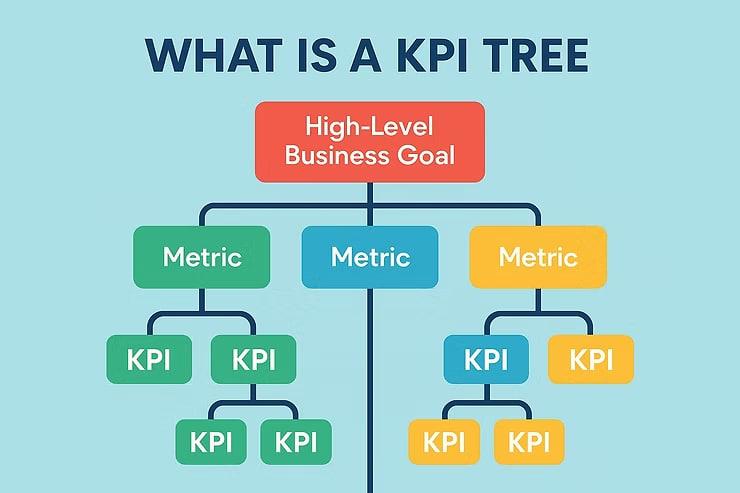
Rather than adopting technology for its own sake, aligned organizations use systems as tools to execute strategy, enforce governance, and enable leadership.
Why Alignment Matters for Business Success
When technology and management strategy are misaligned, organizations face:
- Inefficient workflows
- Poor data visibility
- Low system adoption
- Missed growth opportunities
In contrast, strong Technology–Management Alignment improves agility, accountability, and strategic clarity across the organization.
Common Causes of Misalignment
Technology-Driven Decisions Without Strategic Context
Many businesses adopt new systems based on trends, vendor recommendations, or short-term needs. Without a clear link to management strategy, these systems often fail to deliver meaningful value.
Technology should answer strategic questions such as:
- What decisions need better data?
- Which processes require tighter control?
- How should performance be monitored?
Fragmented Systems and Siloed Management
Disjointed tools across departments create inconsistent data and limit managerial oversight. When management systems are fragmented, leaders lack a unified view of operations, making strategic coordination difficult.
This challenge is frequently observed in growing organizations before they prioritize alignment—an issue addressed by AMADEUS TECHNOLOGY B.V. through integrated system design.
Building Blocks of Technology–Management Alignment
Strategy-Driven System Design
Effective alignment begins with strategy. Businesses must define management priorities—such as growth, cost control, compliance, or innovation—before selecting or designing technology systems.
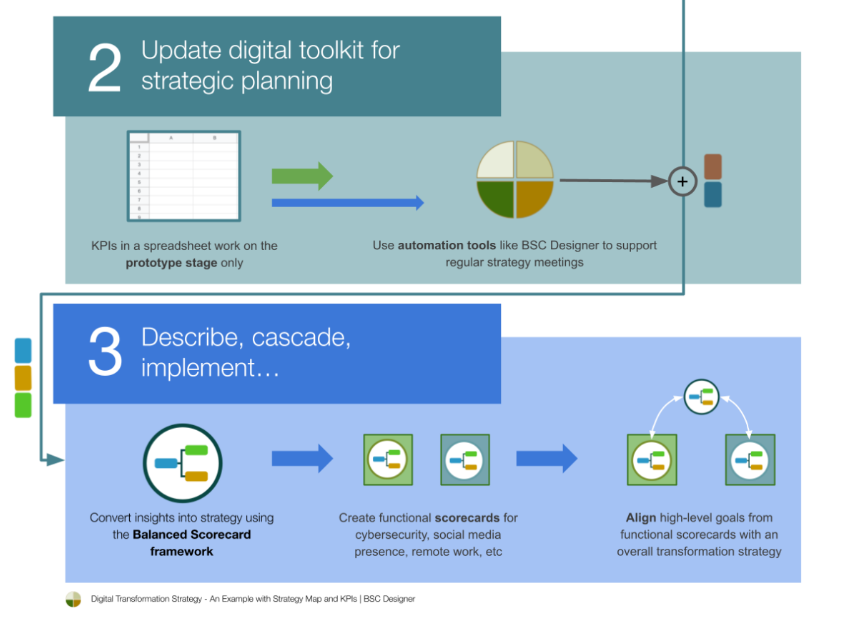
Technology systems should be mapped directly to:
- Strategic objectives
- Management KPIs
- Decision-making workflows
Integrated Management Systems
Aligned organizations rely on integrated platforms rather than isolated tools. These systems connect finance, operations, HR, and performance management into a single management framework.
Benefits include:
- Consistent data across departments
- Real-time performance visibility
- Improved coordination between teams
Role of Data in Aligning Technology and Management
Turning Data into Management Insight
Technology systems generate vast amounts of data, but alignment determines whether that data supports management decisions. Dashboards, analytics, and reporting tools should be designed around managerial needs—not technical metrics.
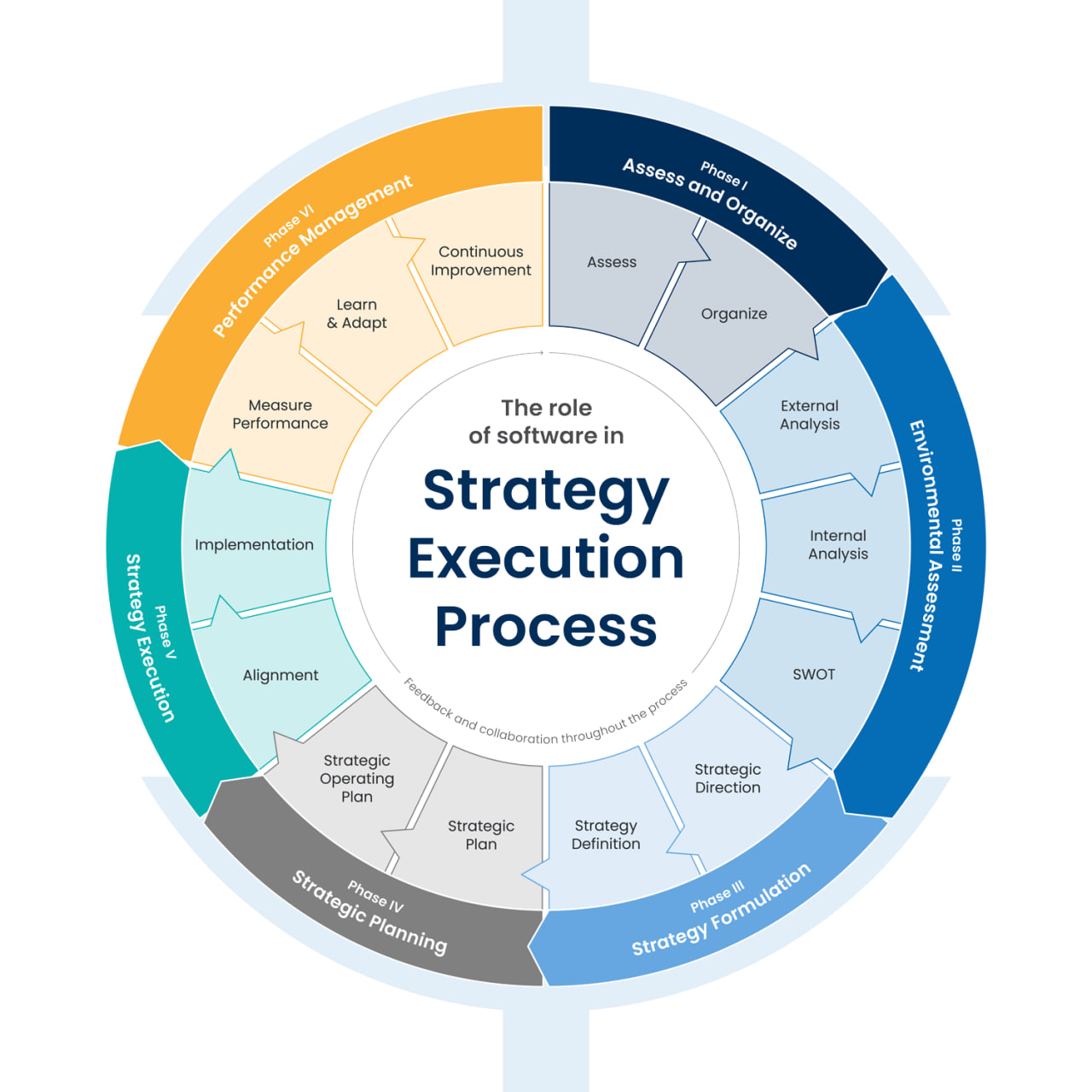
Effective Technology–Management Alignment ensures that leaders receive:
- Actionable insights
- Predictive indicators
- Clear performance signals
Embedding Data into Decision Processes
Aligned systems integrate data directly into planning, budgeting, and operational reviews. This reduces reliance on intuition and promotes evidence-based management.
Organizational Practices That Enable Alignment
Strong Governance and Ownership
Clear ownership of technology systems is essential. When responsibility is fragmented, alignment weakens. Organizations should define:
- Who owns system strategy
- Who manages data governance
- Who ensures alignment with management goals
Continuous Communication Between IT and Management
Alignment is not a one-time project. Regular collaboration between leadership, management teams, and technology specialists ensures systems evolve with strategy.
This ongoing alignment approach is a key principle applied by AMADEUS TECHNOLOGY B.V. when supporting long-term digital transformation initiatives.
Technology–Management Alignment in Practice
Supporting Strategic Execution
Aligned systems translate strategy into execution. For example:
- Performance management systems track strategic KPIs
- Workflow tools enforce standardized processes
- Reporting platforms support executive oversight
Technology becomes a mechanism for executing management intent.
Scaling Without Losing Control
As businesses grow, complexity increases. Technology–Management Alignment ensures that expansion does not lead to operational chaos. Systems scale alongside management structures, preserving control and transparency.
Maintaining alignment becomes more challenging as organizations grow and systems become more complex. Long-term alignment depends on secure and scalable system architectures that can evolve with management structures, as discussed in Building Secure and Scalable Systems for Long-Term Business Growth
Common Mistakes to Avoid
Overengineering Technology
Complex systems that exceed management needs often reduce adoption and clarity. Alignment requires simplicity and relevance, not excessive functionality.
Ignoring Change Management
Even well-aligned systems fail without user adoption. Training, communication, and leadership support are critical to embedding alignment into daily operations.
How Businesses Can Start Aligning Today
Assess Current Alignment
Organizations should evaluate:
- Whether systems support management KPIs
- How easily leaders access critical data
- Whether workflows reflect management priorities
Prioritize High-Impact Areas
Rather than attempting full transformation immediately, businesses should focus on areas where alignment delivers the greatest strategic value.
Partner with Alignment-Focused Experts
Experienced partners like AMADEUS TECHNOLOGY B.V. help organizations bridge the gap between technology capability and management strategy, ensuring systems deliver long-term business value.
Technology–Management Alignment as a Strategic Advantage
In an increasingly complex digital landscape, businesses that align technology systems with management strategy outperform those that treat technology as a standalone function. Technology–Management Alignment transforms systems into strategic assets that support decision-making, execution, and growth.
By designing technology around management needs, integrating data into leadership processes, and continuously adapting systems to strategy, organizations build a resilient foundation for long-term success. In the end, alignment is not just about better technology—it is about better management.
