
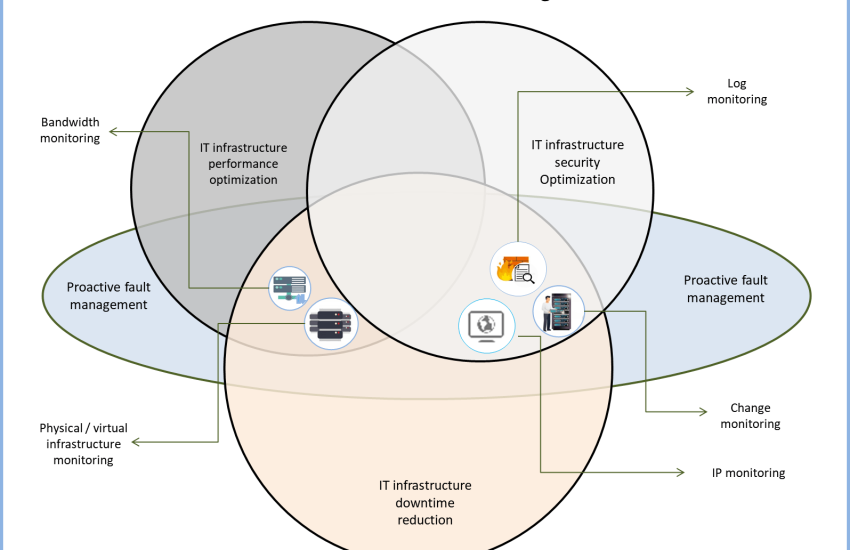
In today’s digital-first enterprises, technology ecosystems are becoming increasingly complex. To operate efficiently and scale sustainably, organizations must clearly understand the roles of infrastructure, applications, and management systems within their overall Enterprise IT Architecture. Confusing or overlapping these layers often leads to inefficiencies, security gaps, and poor return on technology investments.
According to experts at AMADEUS TECHNOLOGY B.V., many enterprises struggle not because they lack technology, but because they lack clarity in how these components fit together. This article breaks down the differences between infrastructure, applications, and management systems—and explains how they work together to support modern enterprise operations.
Understanding Enterprise IT Architecture
What Is Enterprise IT Architecture?
Enterprise IT Architecture refers to the structured framework that defines how an organization’s technology components are designed, integrated, and governed. It ensures that technology supports business strategy, operational efficiency, and long-term scalability.
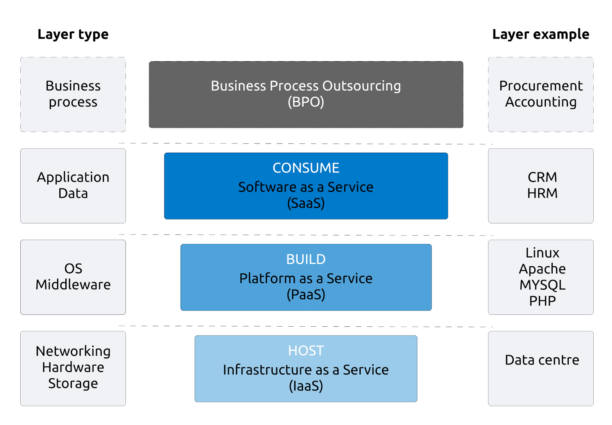
At a high level, Enterprise IT Architecture consists of three core layers:
- IT Infrastructure
- Applications
- Management Systems
Each layer serves a distinct purpose while remaining tightly interconnected.
IT Infrastructure: The Foundation Layer
What Is IT Infrastructure?
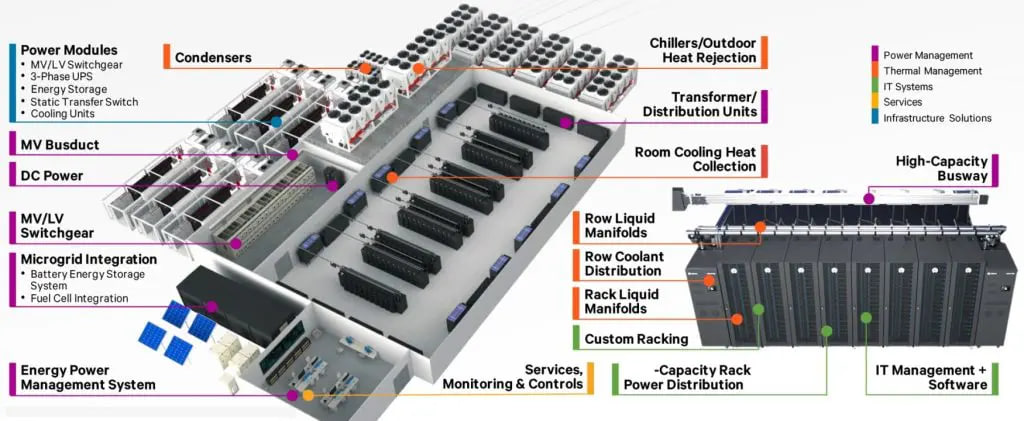
IT infrastructure forms the backbone of the enterprise technology stack. It includes the physical and virtual resources required to run systems and applications.
Key components include:
- Servers (on-premise or cloud-based)
- Networks and connectivity
- Storage systems
- Operating systems and virtualization platforms
Without a stable infrastructure, higher-level systems cannot function reliably.
Role of Infrastructure in Enterprise IT Architecture
Infrastructure provides:
- Computing power and storage
- Network availability and performance
- System reliability and uptime
A well-designed infrastructure ensures that applications run efficiently and can scale as demand increases.
In modern enterprises, cloud platforms increasingly serve as the primary infrastructure layer, replacing or extending traditional on-premise environments. For business leaders looking to understand this shift from a strategic perspective, see Cloud Computing Basics for Business Decision Makers
Applications: The Functional Layer
What Are Enterprise Applications?
Applications are the software solutions that support specific business functions. These tools enable employees to perform daily tasks and drive business outcomes.
Common enterprise applications include:
- ERP systems
- CRM platforms
- Accounting and finance software
- HR and payroll systems
Applications translate business requirements into digital workflows.
How Applications Fit into Enterprise IT Architecture
Within Enterprise IT Architecture, applications sit on top of infrastructure and rely on it for performance, security, and availability. Poor infrastructure design directly impacts application performance and user experience.
Organizations working with AMADEUS TECHNOLOGY B.V. often focus on aligning applications with both infrastructure capabilities and long-term business goals to avoid costly redesigns later.
Management Systems: The Control and Governance Layer
What Are Management Systems?
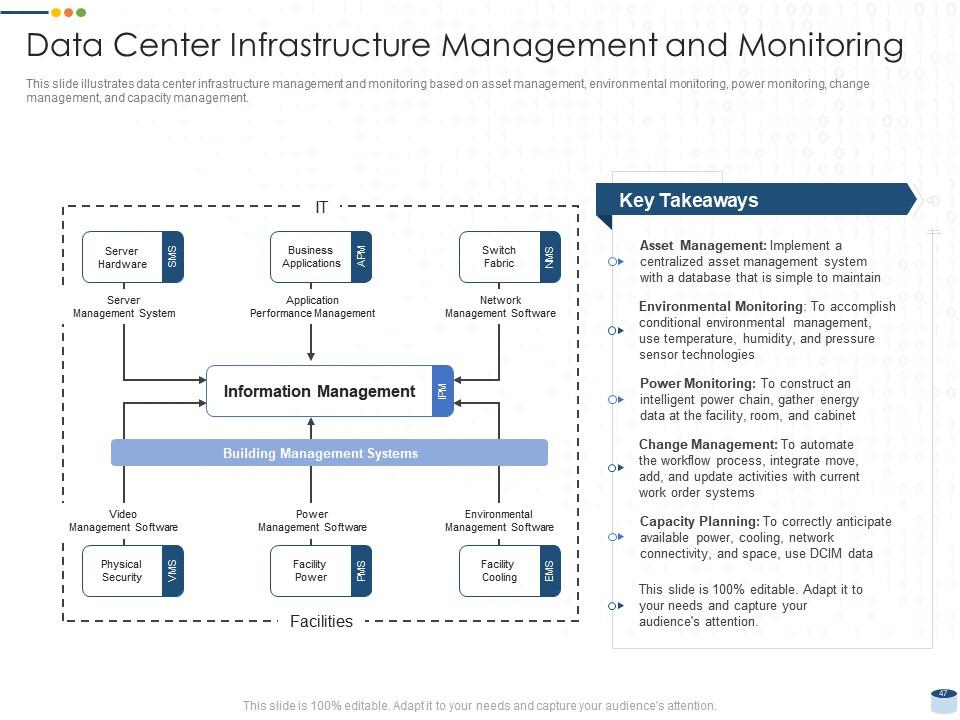
Management systems oversee, coordinate, and optimize how infrastructure and applications operate together. Unlike applications that serve end users, management systems are designed for visibility, control, and decision-making.
Examples include:
- IT service management (ITSM) platforms
- Monitoring and logging systems
- Business process management tools
- Governance, risk, and compliance (GRC) systems
Why Management Systems Are Critical
Management systems provide:
- Centralized oversight of operations
- Performance monitoring and reporting
- Automation of workflows and approvals
- Policy enforcement and compliance tracking
Without strong management systems, enterprises often lose visibility and control as their IT environment grows.
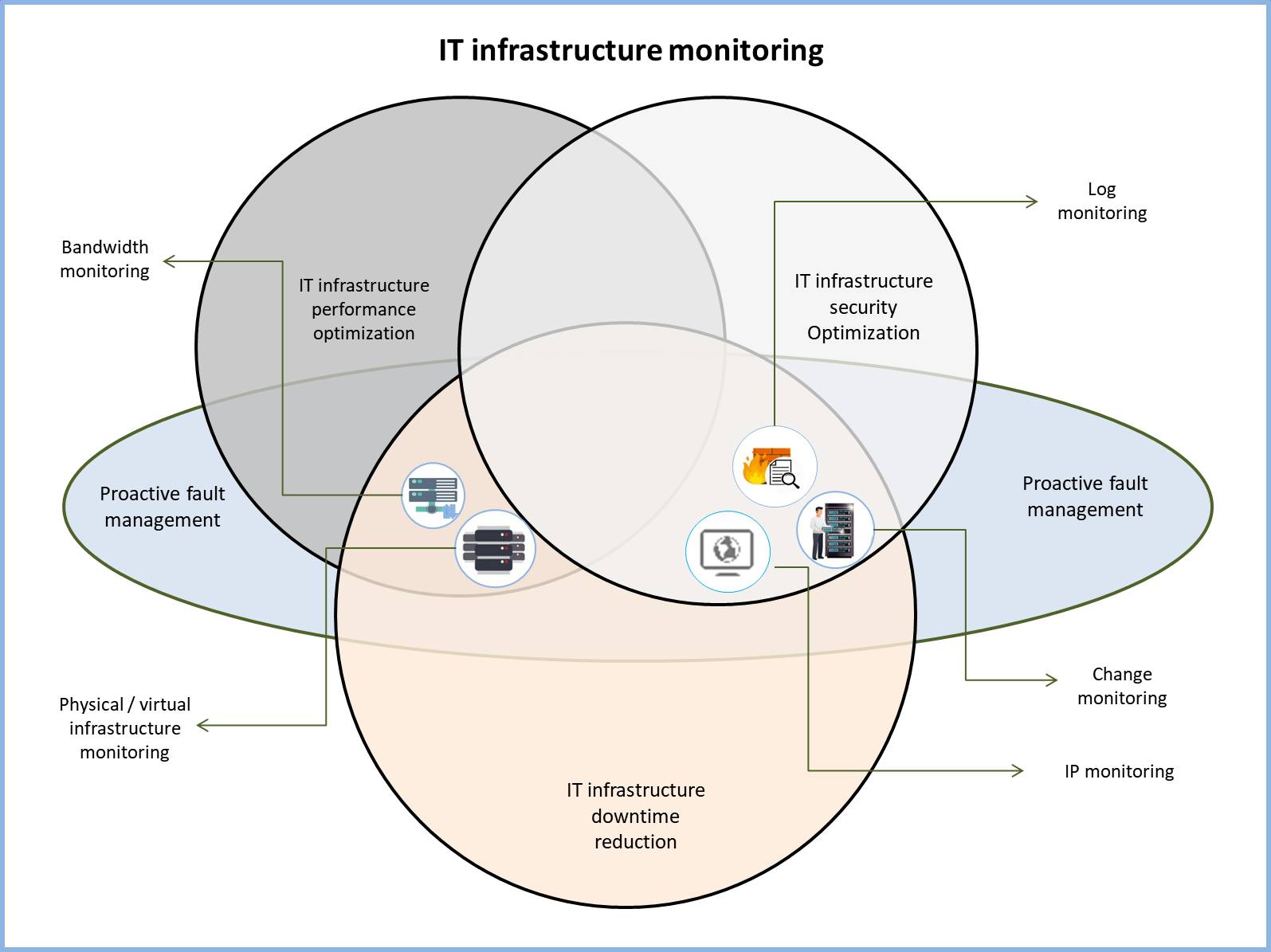
Key Differences Between Infrastructure, Applications, and Management Systems
Functional Focus
- Infrastructure focuses on stability and performance
- Applications focus on executing business processes
- Management systems focus on coordination, governance, and optimization
Each layer addresses a different organizational need.
User Interaction
- Infrastructure is mostly invisible to end users
- Applications are directly used by employees and customers
- Management systems are primarily used by IT leaders, managers, and executives
Strategic Impact
While all three layers are essential, management systems often have the greatest strategic impact because they connect technology performance with business outcomes—an insight frequently emphasized by AMADEUS TECHNOLOGY B.V. in enterprise architecture consulting.
How These Layers Work Together
Integration and Interdependence
In a well-designed Enterprise IT Architecture:
- Infrastructure supports applications
- Applications generate operational data
- Management systems analyze and control both
Weakness in one layer affects the entire ecosystem.
Supporting Scalability and Growth
As enterprises grow, demands on infrastructure increase, applications become more complex, and management systems must handle greater volumes of data and processes. Designing all three layers with scalability in mind ensures smooth growth without disruption.
Common Enterprise Mistakes to Avoid
Treating Layers as Isolated Systems
Many organizations manage infrastructure, applications, and management systems in silos. This leads to poor integration, duplicated effort, and limited visibility.
Overinvesting in Applications Without Governance
Enterprises often focus heavily on applications while neglecting management systems. Without governance and monitoring, even powerful applications can become inefficient and risky.
Best Practices for Enterprise IT Architecture
Align Technology with Business Strategy
Enterprise IT Architecture should be driven by business objectives, not just technical preferences. Clear alignment ensures that infrastructure, applications, and management systems work toward the same goals.
Design for Flexibility and Integration
Modular architectures, APIs, and standardized platforms make it easier to evolve each layer independently while maintaining overall coherence.
Partner with Experienced Architecture Experts
Building and maintaining a balanced Enterprise IT Architecture requires deep expertise. Organizations that collaborate with specialists like AMADEUS TECHNOLOGY B.V. benefit from architectures that are resilient, scalable, and aligned with long-term business strategy.
Enterprise IT Architecture as a Strategic Asset
Understanding the difference between infrastructure, applications, and management systems is essential for any enterprise aiming to succeed in a complex digital environment. Each layer plays a unique role, but true value emerges when they are designed to work together as part of a cohesive Enterprise IT Architecture.
By investing in clarity, integration, and governance, enterprises can transform their technology stack into a strategic asset—one that supports efficiency, innovation, and sustainable growth well into the future.
