
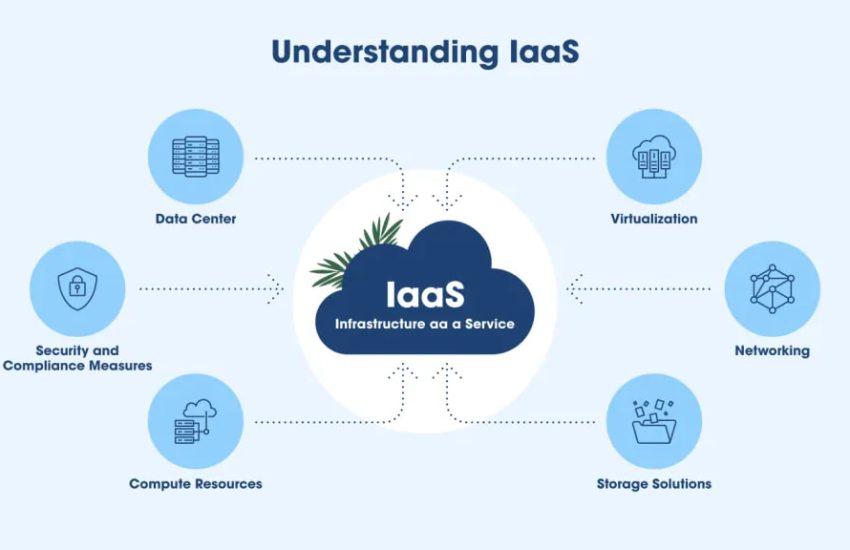
In today’s digital economy, technology decisions are no longer limited to IT departments. Business leaders, executives, and decision makers are increasingly responsible for shaping technology strategies that impact growth, efficiency, and competitiveness. Among these decisions, Cloud Computing has emerged as one of the most influential and transformative forces in modern business.
Understanding the fundamentals of Cloud Computing is essential for leaders who want to make informed decisions, manage risk, and unlock long-term value. Experts at AMADEUS TECHNOLOGY B.V. often emphasize that successful cloud adoption begins with strategic clarity—not just technical knowledge.
What Is Cloud Computing?
A Simple Definition for Business Leaders
Cloud Computing refers to the delivery of computing resources—such as servers, storage, databases, networking, and software—over the internet instead of through on-premise infrastructure. Businesses access these resources on demand, typically paying only for what they use.
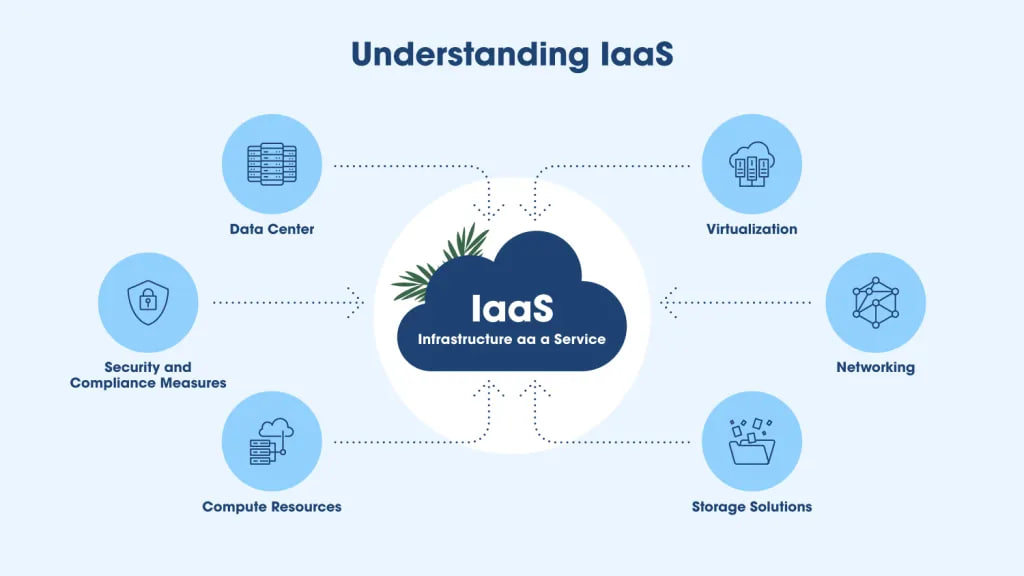
Rather than owning and maintaining physical hardware, organizations rely on cloud service providers to manage infrastructure, allowing them to focus on core business objectives.
To better understand Cloud Computing, business leaders should clearly distinguish between infrastructure, applications, and management systems. Cloud services primarily provide the infrastructure layer that supports business applications and enterprise management platforms. This distinction is explained clearly in The Difference Between Infrastructure, Applications, and Management Systems
Why Cloud Computing Matters to Decision Makers
For business leaders, Cloud Computing is not just a technical upgrade—it is a strategic enabler. It affects cost structures, operational agility, scalability, and the ability to innovate faster than competitors.
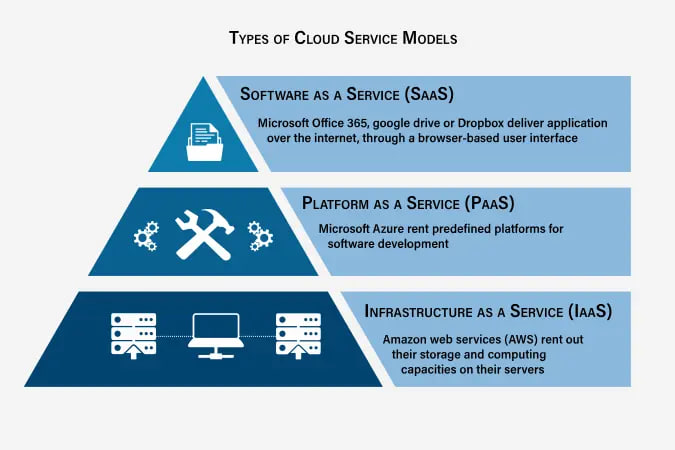
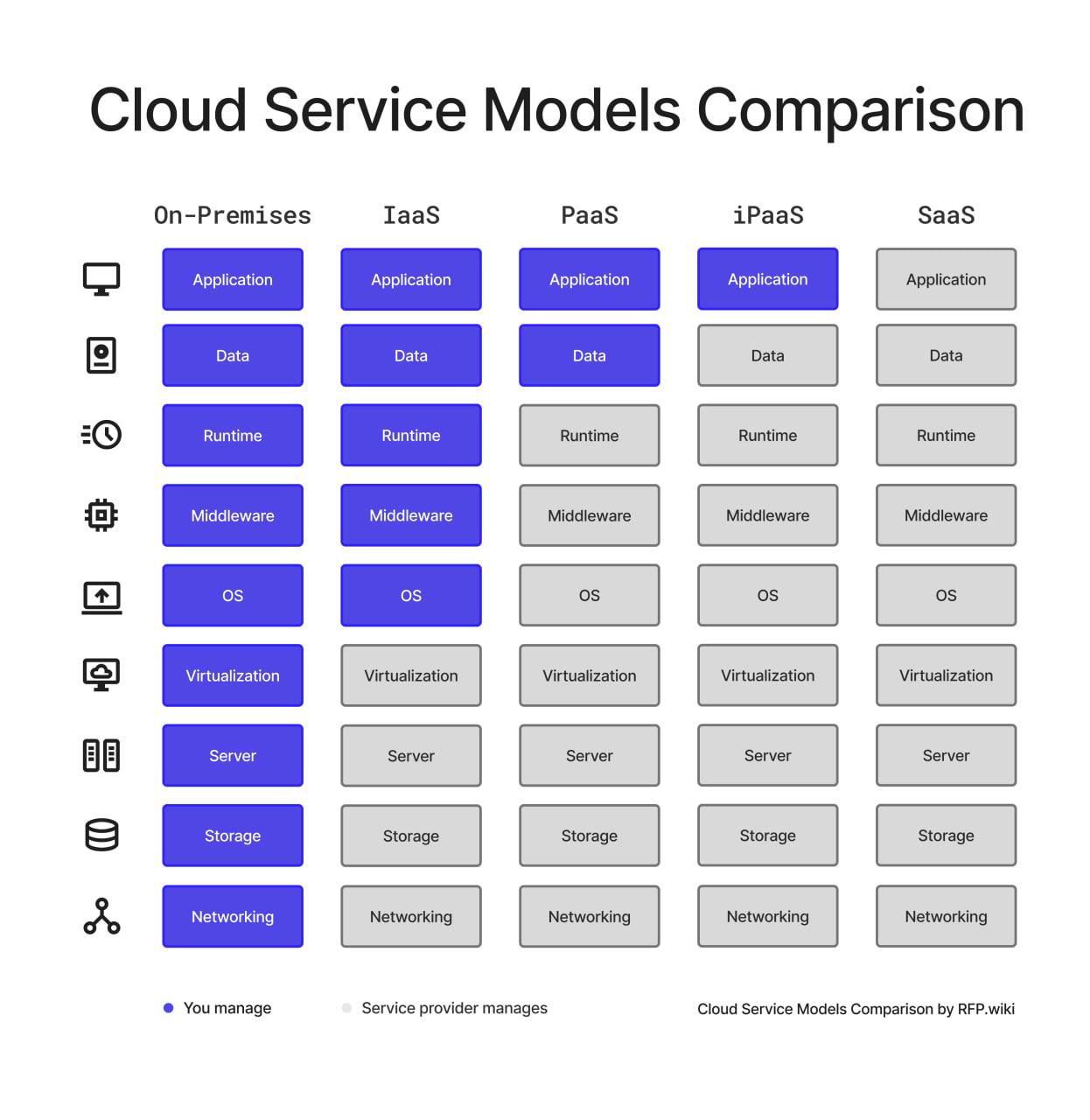
Key Cloud Computing Service Models
Infrastructure as a Service (IaaS)
IaaS provides basic computing resources such as virtual servers, storage, and networking. Businesses retain control over operating systems and applications while avoiding the cost of physical infrastructure.
Best for: organizations that need flexibility and scalable infrastructure without heavy upfront investment.
Platform as a Service (PaaS)
PaaS offers a development and deployment environment that includes infrastructure, operating systems, and development tools. This model simplifies application development and reduces time to market.
Best for: companies building custom applications or digital products.
Software as a Service (SaaS)
SaaS delivers fully managed software applications over the internet. Users access these applications through a browser without worrying about maintenance or updates.
Best for: standard business functions such as CRM, HR, accounting, and collaboration.
Cloud Deployment Models Explained
Public Cloud
Public cloud services are shared across multiple organizations. They offer high scalability and cost efficiency but less customization.
Private Cloud
Private cloud environments are dedicated to a single organization, offering greater control, security, and customization.
Hybrid Cloud
Hybrid cloud combines public and private environments, allowing businesses to balance flexibility, cost, and control.
Many enterprises working with AMADEUS TECHNOLOGY B.V. adopt hybrid strategies to support gradual Cloud Computing adoption while protecting critical systems.
Business Benefits of Cloud Computing
Cost Efficiency and Financial Flexibility
Cloud Computing shifts IT spending from capital expenditure to operational expenditure. Businesses avoid large upfront investments and instead pay based on usage, improving cash flow and financial predictability.
Scalability and Business Agility
Cloud resources can scale up or down quickly based on demand. This flexibility allows businesses to respond rapidly to market changes, seasonal demand, or growth opportunities without infrastructure constraints.
Faster Innovation and Time to Market
With Cloud Computing, teams can deploy new systems, applications, and services in days instead of months. This speed enables experimentation, faster product launches, and continuous improvement.
Security and Risk Considerations
Addressing Common Security Concerns
Many decision makers worry about security in the cloud. While risks exist, reputable cloud providers invest heavily in security, compliance, and resilience—often beyond what individual businesses can achieve alone.
Cloud security includes:
- Data encryption
- Identity and access management
- Continuous monitoring
- Compliance certifications
Shared Responsibility Model
In Cloud Computing, security is a shared responsibility. Providers secure the infrastructure, while businesses are responsible for data protection, access control, and application security.
Understanding this model is critical for reducing risk and ensuring compliance.
Cloud Computing and Business Strategy Alignment
Supporting Digital Transformation
Cloud Computing enables digital transformation by supporting remote work, data-driven decision making, and modern application architectures. It provides the foundation for analytics, automation, and AI-driven initiatives.
Avoiding Common Cloud Adoption Mistakes
Some organizations migrate to the cloud without a clear strategy, leading to unexpected costs or performance issues. Business decision makers must align cloud adoption with long-term goals, governance models, and operational readiness.
This strategic alignment is a core principle promoted by AMADEUS TECHNOLOGY B.V. when advising enterprises on cloud transformation initiatives.
How Decision Makers Should Approach Cloud Computing
Ask the Right Questions
Before adopting Cloud Computing, leaders should ask:
- Which business outcomes do we want to achieve?
- What systems are suitable for cloud migration?
- How will costs, security, and compliance be managed?
Start Small and Scale Strategically
Many successful organizations begin with non-critical workloads and expand cloud usage gradually. This approach reduces risk while building internal capabilities and confidence.
Cloud Computing as a Competitive Advantage
Cloud Computing is no longer optional for modern businesses—it is a competitive necessity. Organizations that understand its fundamentals can reduce costs, improve agility, and innovate faster than those relying solely on traditional infrastructure.
For business decision makers, the goal is not to become cloud experts, but to make informed strategic choices. By approaching Cloud Computing with clarity, governance, and the right partners, companies can build resilient, future-ready operations. Enterprises that work with experienced advisors such as AMADEUS TECHNOLOGY B.V. are better positioned to turn cloud technology into long-term business value
