

As enterprises expand across markets, departments, and digital platforms, managing complexity has become one of the biggest operational challenges. Fragmented systems, disconnected data, and siloed decision-making often prevent organizations from operating efficiently at scale. To address these challenges, enterprises are increasingly adopting Integrated Management Systems as a foundation for coordination, control, and strategic execution.
Experts at AMADEUS TECHNOLOGY B.V. observe that integrated systems are no longer optional for large organizations—they are essential for maintaining visibility, consistency, and governance in complex enterprise environments.
What Are Integrated Management Systems?
Definition and Core Concept
Integrated Management Systems (IMS) refer to a unified framework that combines multiple management functions—such as operations, finance, quality, compliance, performance, and risk—into a single, cohesive system. Rather than operating separate tools for each function, enterprises manage processes and data through a shared platform.
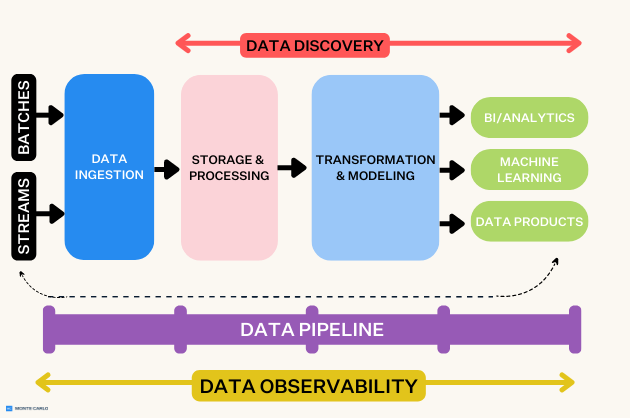
The goal of Integrated Management Systems is to create alignment, reduce duplication, and improve organizational transparency.
Why Enterprises Are Moving Toward Integration
As enterprises grow, the cost of managing disconnected systems increases. Integration enables organizations to:
- Centralize data and reporting
- Standardize processes across departments
- Improve cross-functional collaboration
These benefits make Integrated Management Systems a strategic priority for modern enterprises.
Key Drivers Behind the Adoption of Integrated Management Systems
Increasing Organizational Complexity
Global operations, remote teams, and multi-layered governance structures make enterprise management more complex than ever. Disconnected systems limit leadership’s ability to monitor performance and enforce policies consistently.
Integrated Management Systems provide a single source of truth, allowing executives to gain a holistic view of enterprise operations.
Demand for Real-Time Visibility
Decision-making in large organizations depends on timely and accurate information. Traditional reporting methods often lag behind operational reality.
Integrated systems deliver real-time dashboards and analytics that support faster, more informed decisions—a capability frequently emphasized by AMADEUS TECHNOLOGY B.V. when designing enterprise management solutions.
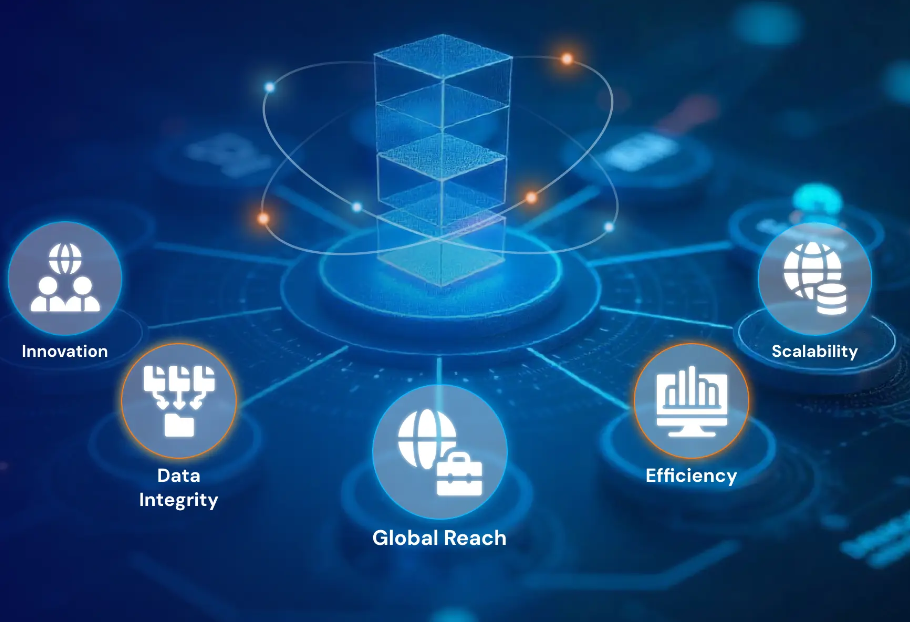
Core Components of Integrated Management Systems
Process and Workflow Integration
IMS platforms unify workflows across departments, ensuring that processes are standardized, automated, and transparent. This reduces inefficiencies and improves accountability.
Performance and KPI Management
Integrated Management Systems enable enterprises to define, track, and analyze KPIs across functions. Leaders can monitor strategic objectives while managers focus on operational performance.
Compliance, Risk, and Governance
Compliance requirements are increasing across industries. Integrated systems help enterprises manage risk, enforce policies, and demonstrate regulatory compliance through centralized controls and audit trails.
Business Benefits of Integrated Management Systems
Improved Operational Efficiency
By eliminating redundant processes and manual coordination, Integrated Management Systems significantly reduce operational overhead. Teams spend less time reconciling data and more time executing strategy.
Stronger Strategic Alignment
Integrated systems connect daily operations with enterprise strategy. Objectives set at the executive level cascade into measurable actions across departments.
Enhanced Collaboration and Accountability
When teams share data and workflows, collaboration improves. Integrated Management Systems clarify roles, responsibilities, and performance expectations across the organization.
For many organizations, these capabilities form the core of an enterprise management system for SMEs, which brings together integrated processes, performance management, and governance into a unified operational framework. To better understand how such systems support growing businesses, see What Is an Enterprise Management System and Why SMEs Need One

Integrated Management Systems and Digital Transformation
Enabling Scalable Enterprise Growth
Growth often exposes weaknesses in management structures. Integrated Management Systems scale alongside the organization, maintaining control even as operations expand.
This scalability is a key reason why enterprises working with AMADEUS TECHNOLOGY B.V. adopt integrated platforms rather than isolated tools.
Supporting Data-Driven Leadership
Modern enterprises rely on data to guide decisions. Integrated systems ensure that leadership decisions are based on consistent, enterprise-wide data rather than fragmented reports.
Common Challenges in Implementing Integrated Management Systems
Change Management and Adoption
Integration often requires changes to established workflows. Without clear communication and training, employees may resist new systems.
Successful implementation depends on leadership support and a structured change management approach.
Over-Integration Without Strategy
Not all processes need to be integrated at once. Attempting to integrate everything simultaneously can increase complexity and slow adoption.
Enterprises should prioritize high-impact areas and expand integration gradually.
Best Practices for Successful Integration
Align Integration with Business Strategy
Integrated Management Systems should directly support enterprise objectives. Integration efforts must be guided by strategic priorities, not just technical capabilities.
Ensure Strong Governance and Ownership
Clear ownership of the integrated system ensures accountability and long-term effectiveness. Governance frameworks define how data, processes, and systems are managed.
Partner with Experienced Integration Experts
Designing and implementing Integrated Management Systems requires deep expertise in both technology and enterprise management. Organizations that collaborate with specialists like AMADEUS TECHNOLOGY B.V. benefit from systems that are scalable, resilient, and aligned with strategic goals.

The Strategic Future of Integrated Management Systems
As enterprises face increasing pressure to operate efficiently, comply with regulations, and adapt to rapid change, Integrated Management Systems will continue to play a central role in enterprise success.
By unifying processes, data, and governance, these systems transform complexity into clarity. Enterprises that invest in Integrated Management Systems position themselves for stronger control, better decision-making, and sustainable long-term growth. In the evolving digital economy, integration is not just an operational improvement—it is a strategic advantage.
